
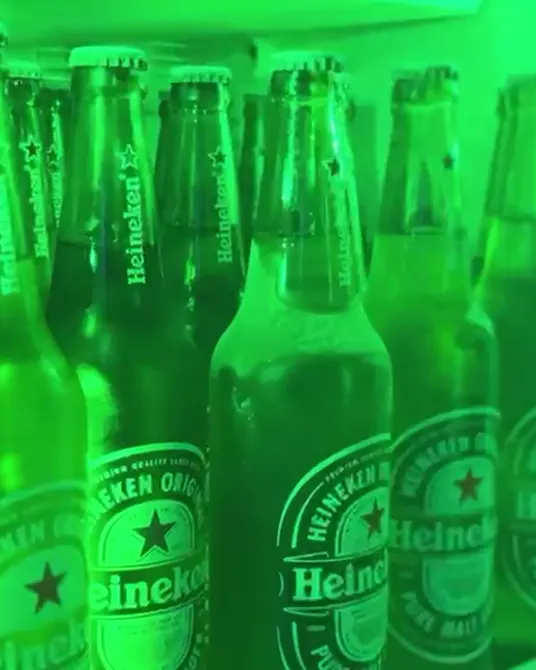
Jaú/SP · desde 2002
Distribuidor autorizado Heineken para Jaú e região
Do nosso depósito ao seu balcão: cerveja, refrigerante e chopp, com frota própria e entrega na rota da sua cidade.
Autorizada
Distribuidora Heineken
24 anos
De operação, desde 2002
Sede
Em Jaú-SP
35
Cidades atendidas
Dois caminhos
O que você precisa hoje?
Portfólio
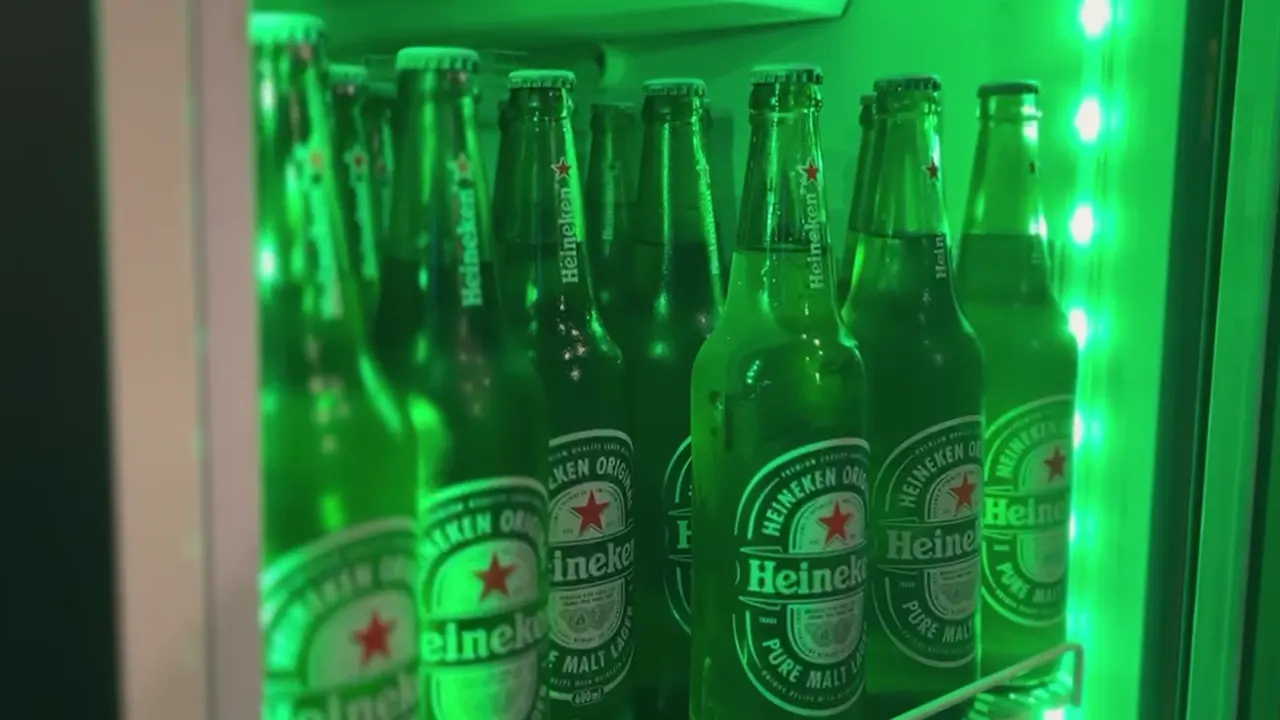
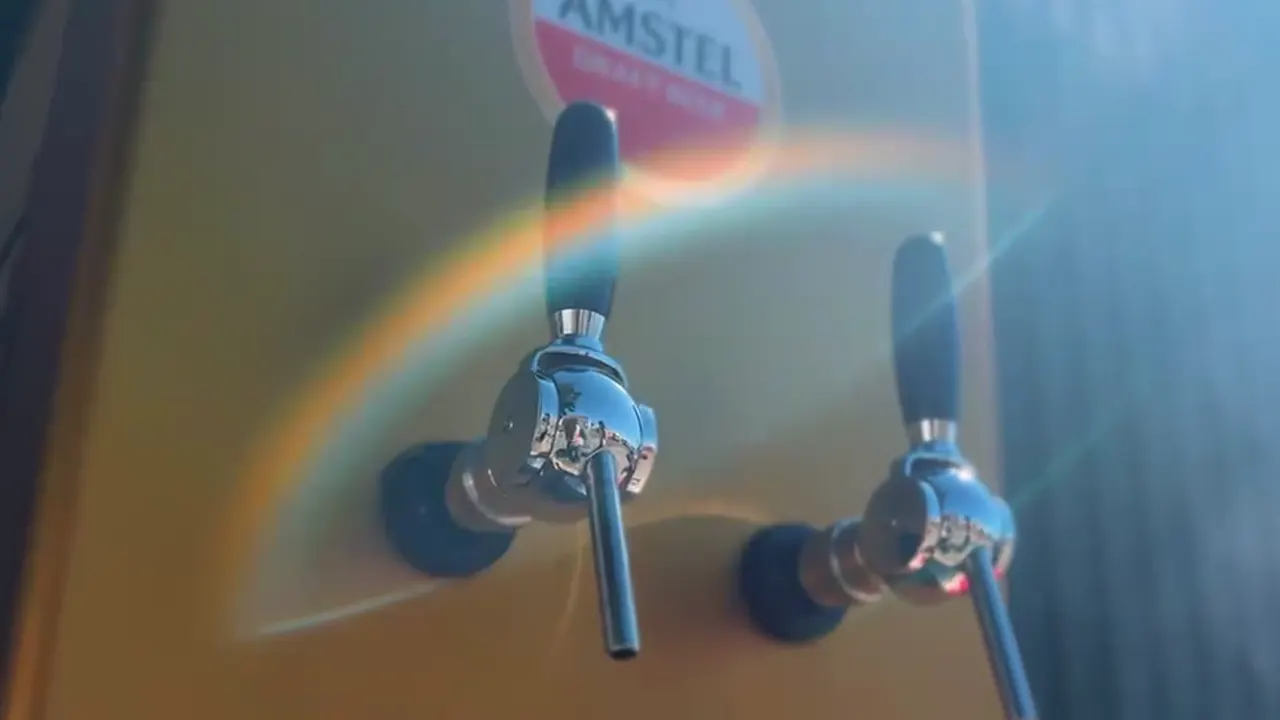
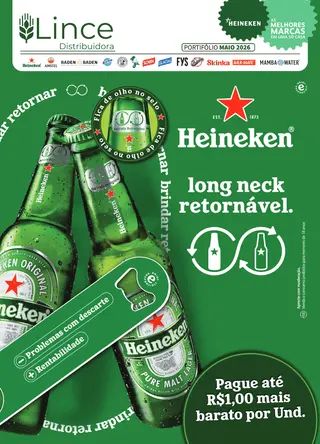
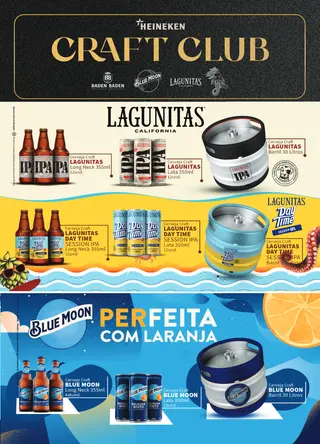
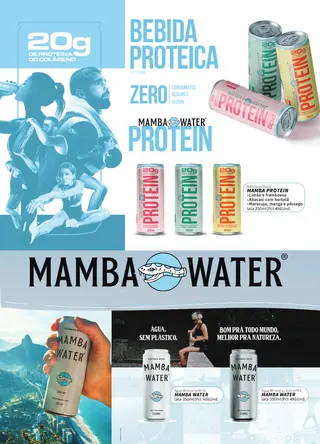
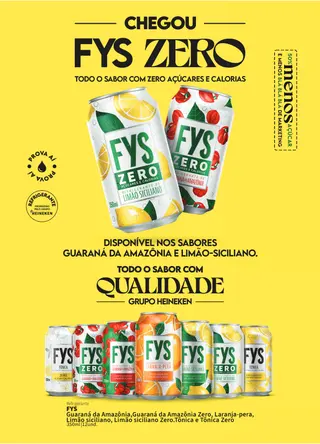
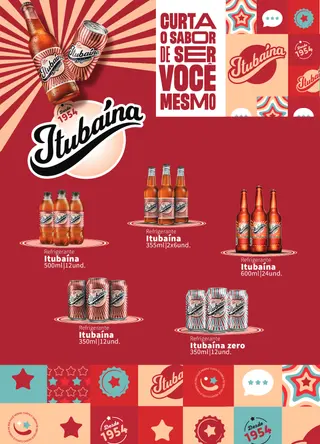
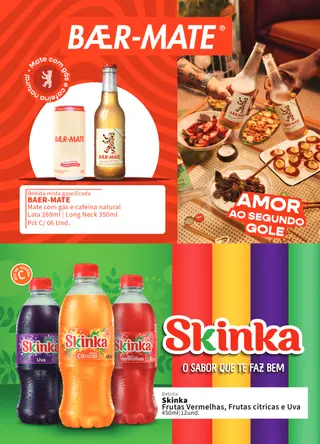
Um fornecedor. Todo o portfólio Heineken





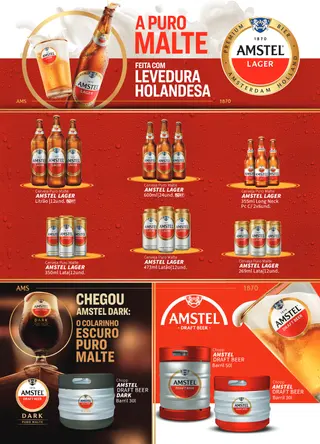
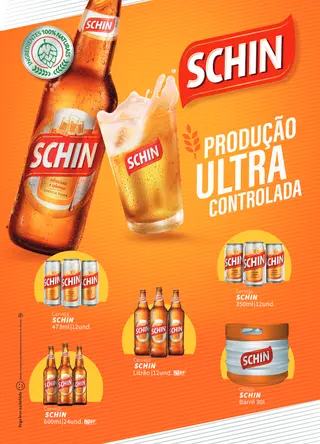
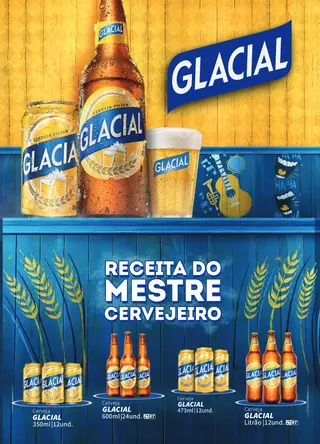
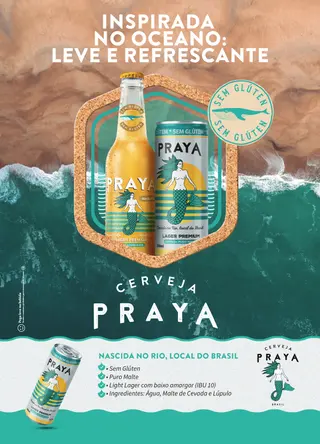
Estrutura e logística
Entrega e logística
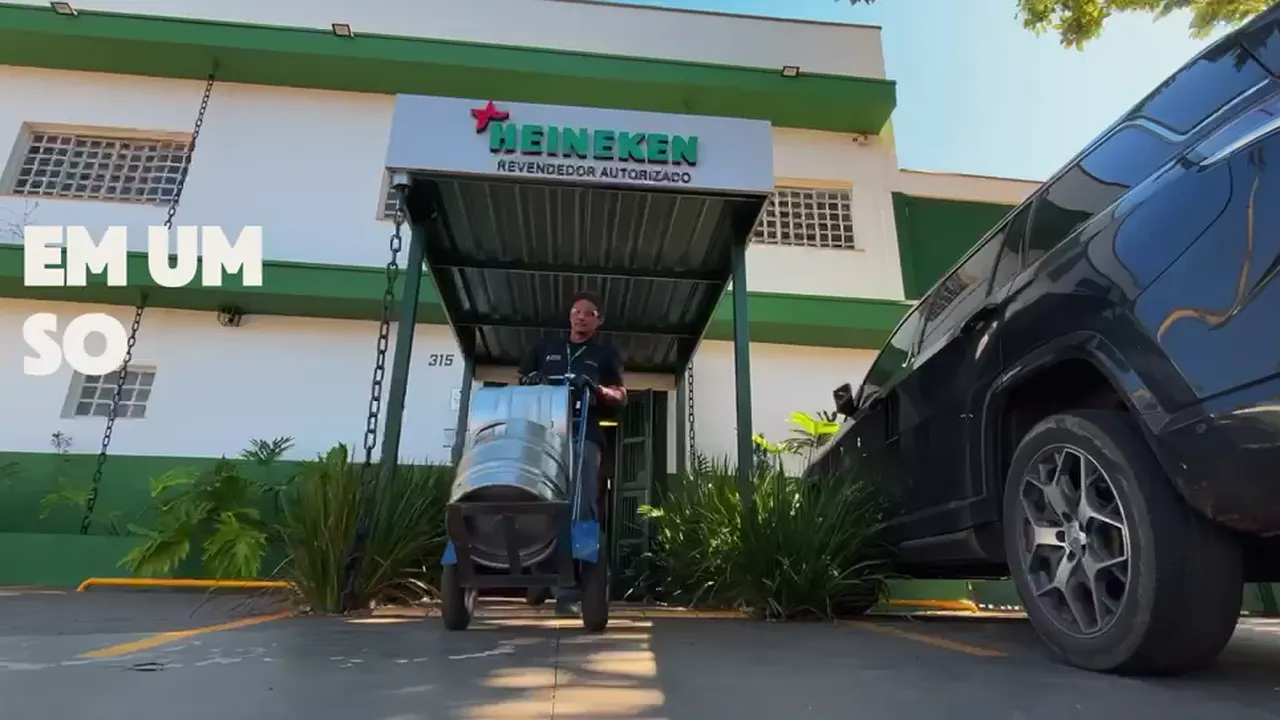
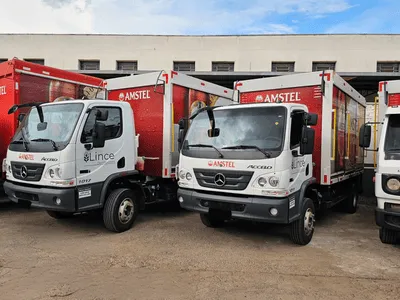
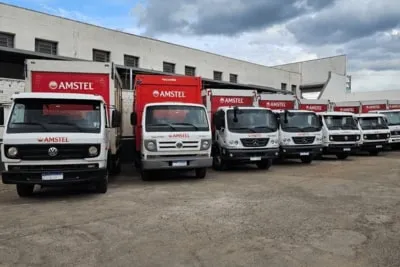
Nossa logística é o pilar de nossa eficácia operacional. Com uma frota própria e instalações de armazenamento de grande capacidade, garantimos entregas rápidas e eficientes. A localização estratégica na cidade de Jaú (SP) permite um fácil acesso a todas as cidades de nossa área de atuação, assegurando que os produtos cheguem pontualmente e em perfeito estado.
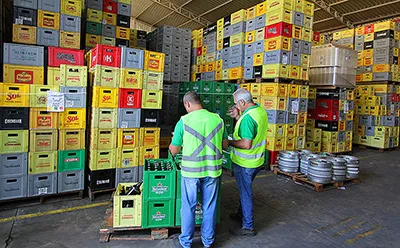
Armazém próprio
Estoque de alta capacidade em Jaú, com conferência na saída.
Roteirização
Rotas fechadas por região, cobrindo 35 cidades.
Vasilhame
Retorno de garrafa e barril na mesma visita da entrega.
Chopp instalado
Barril entregue e chopeira montada no ponto.
Pedido digital
Seu pedido no HEISHOP, 24 horas por dia
O HEISHOP é a plataforma de pedidos B2B da Heineken Brasil. Você monta o pedido pelo site ou pelo aplicativo, consulta histórico, acompanha a entrega e acessa promoções exclusivas — sem depender do horário comercial.
Disponível também como aplicativo para iOS e Android.
Cadastro
Seu representante libera o acesso com o CNPJ do estabelecimento.
Pedido
Monte o carrinho pelo site ou pelo app, com o mix e as embalagens da sua praça.
Entrega
A rota da sua região pega o pedido e entrega com a frota da Lince.
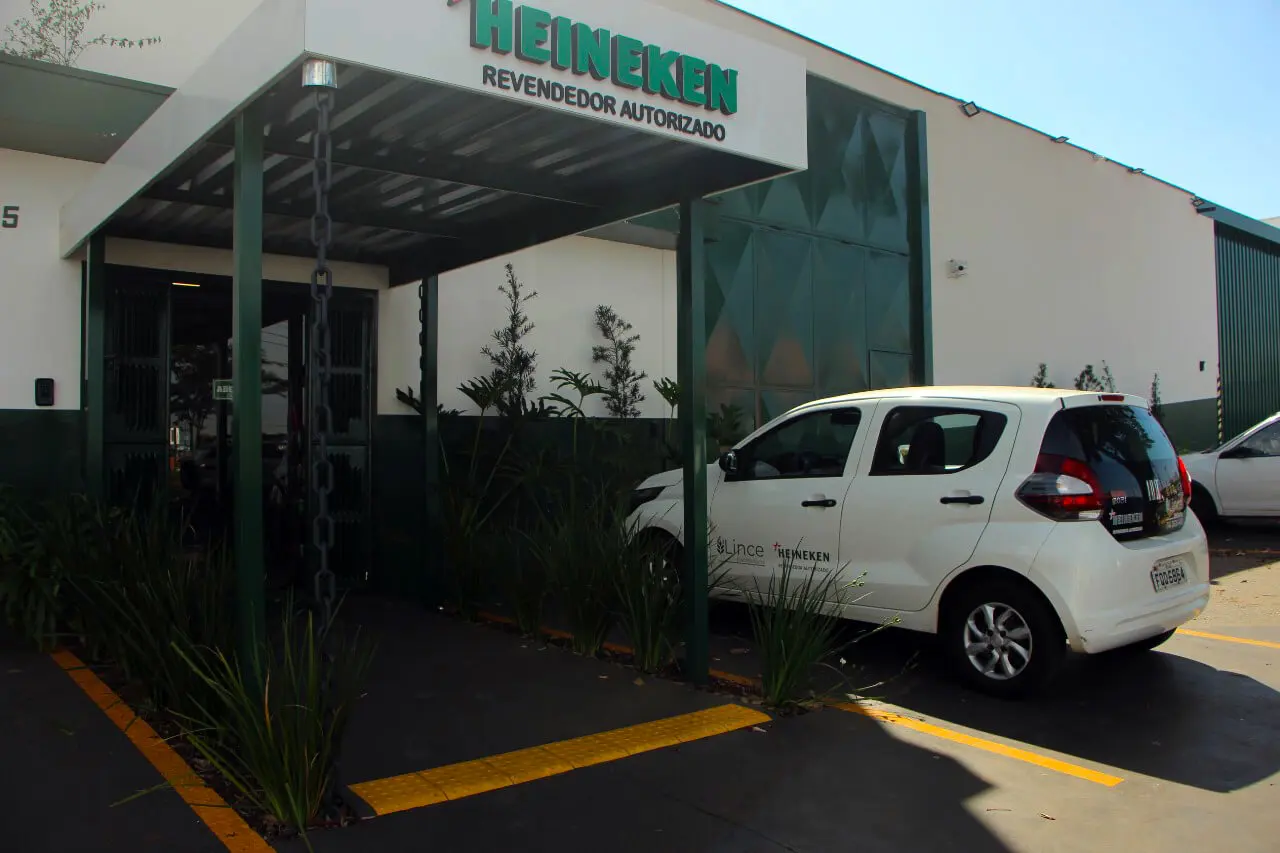
Nossa história
Nossa história
A Lince Distribuidora iniciou suas atividades em 2002 como distribuidor Schincariol. Já em 2014, a antiga Schincariol foi adquirida pela japonesa Kirin, que, em 2017, vendeu suas fábricas para a Heineken. Mesmo com essas mudanças, permanecemos firmes como distribuidores autorizados, expandindo nossa área de abrangência a cada nova fase. São 24 anos abastecendo bares, mercados e adegas.
- Loja física
- Varejo, chopp e retirada na unidade de Jaú
- Portfólio Heineken completo
- Alcoólicos e não alcoólicos no mesmo pedido
- Estrutura para eventos
- Chopeira, refrigerador, barraca, ombrelone, copo
Onde entregamos
35 cidades de Jaú e região
Rota fechada, entrega própria e representante que conhece a praça. Estas são as cidades atendidas pela Lince.
Sede
1 cidade- Jaú
Região de Jaú
9 cidades- Bariri
- Bocaina
- Boraceia
- Dois Córregos
- Itaju
- Itapuí
- Macatuba
- Mineiros do Tietê
- Pederneiras
Vale do Tietê
5 cidades- Areiópolis
- Barra Bonita
- Igaraçu do Tietê
- Pratânia
- São Manuel
Região de Bauru
7 cidades- Agudos
- Arealva
- Bauru
- Borebi
- Iacanga
- Lençóis Paulista
- Piratininga
Região de Brotas
8 cidades- Boa Esperança do Sul
- Brotas
- Dourado
- Itirapina
- Ribeirão Bonito
- Santa Maria da Serra
- Torrinha
- Trabiju
Região de Ibitinga
5 cidades- Borborema
- Ibitinga
- Itápolis
- Nova Europa
- Tabatinga
Todas as cidades atendidas ficam no estado de São Paulo.